
Why SPF Bio-Secured Feed Matters in Modern Aquaculture
The modern aquaculture industry has evolved far beyond traditional farming practices. Today, success is no longer determined only by production volume — it depends heavily on biosecurity, sustainability, hatchery consistency, and disease prevention. As shrimp farming becomes increasingly intensive across the world, the importance of SPF (Specific Pathogen Free) bio-secured feed solutions has become more critical than ever before.
One of the biggest challenges faced by hatcheries and shrimp farmers is the use of wild-sourced biological feed. Traditional worms collected from uncontrolled natural environments often carry harmful pathogens, bacteria, parasites, and viral risks that can directly impact hatchery performance and farming stability. Diseases such as WSSV, EHP, MBV, TSV, IMNV, Vibrio, and several emerging pathogens continue to create serious operational and financial challenges for the aquaculture industry.
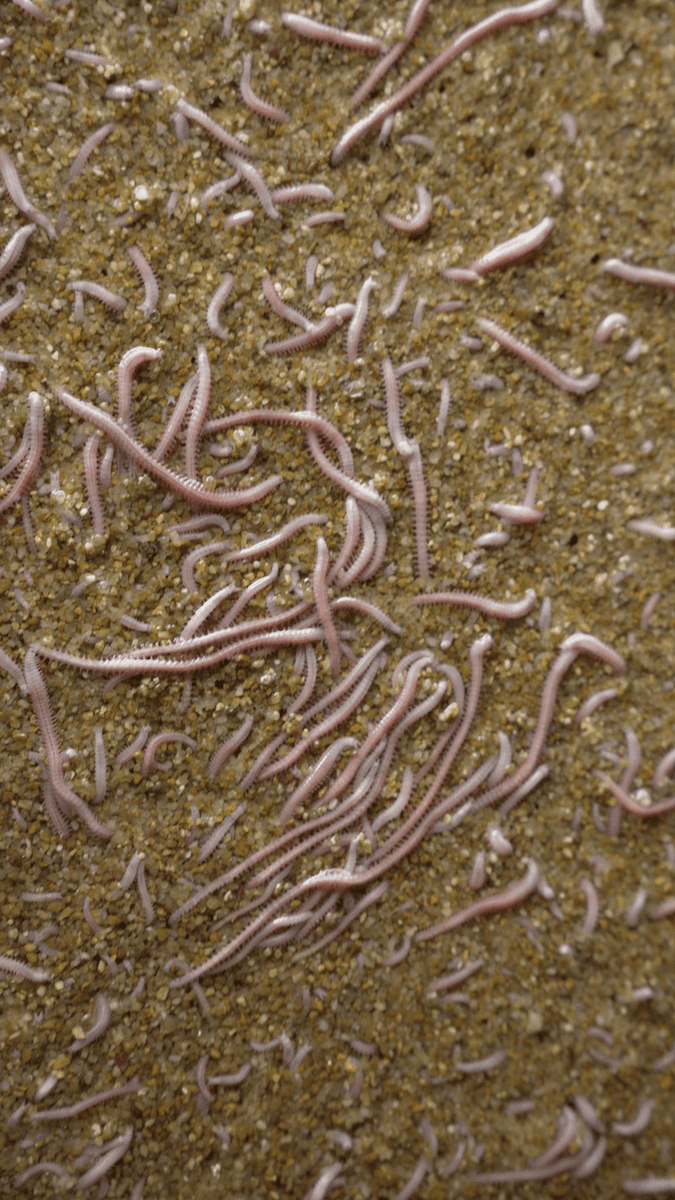

Even when external signs are not immediately visible, contaminated biological inputs can affect broodstock health, fertility rates, egg quality, larval survival, hatchability, and overall culture performance. This is where SPF bio-secured sandworms have emerged as a game-changing solution for modern aquaculture systems.
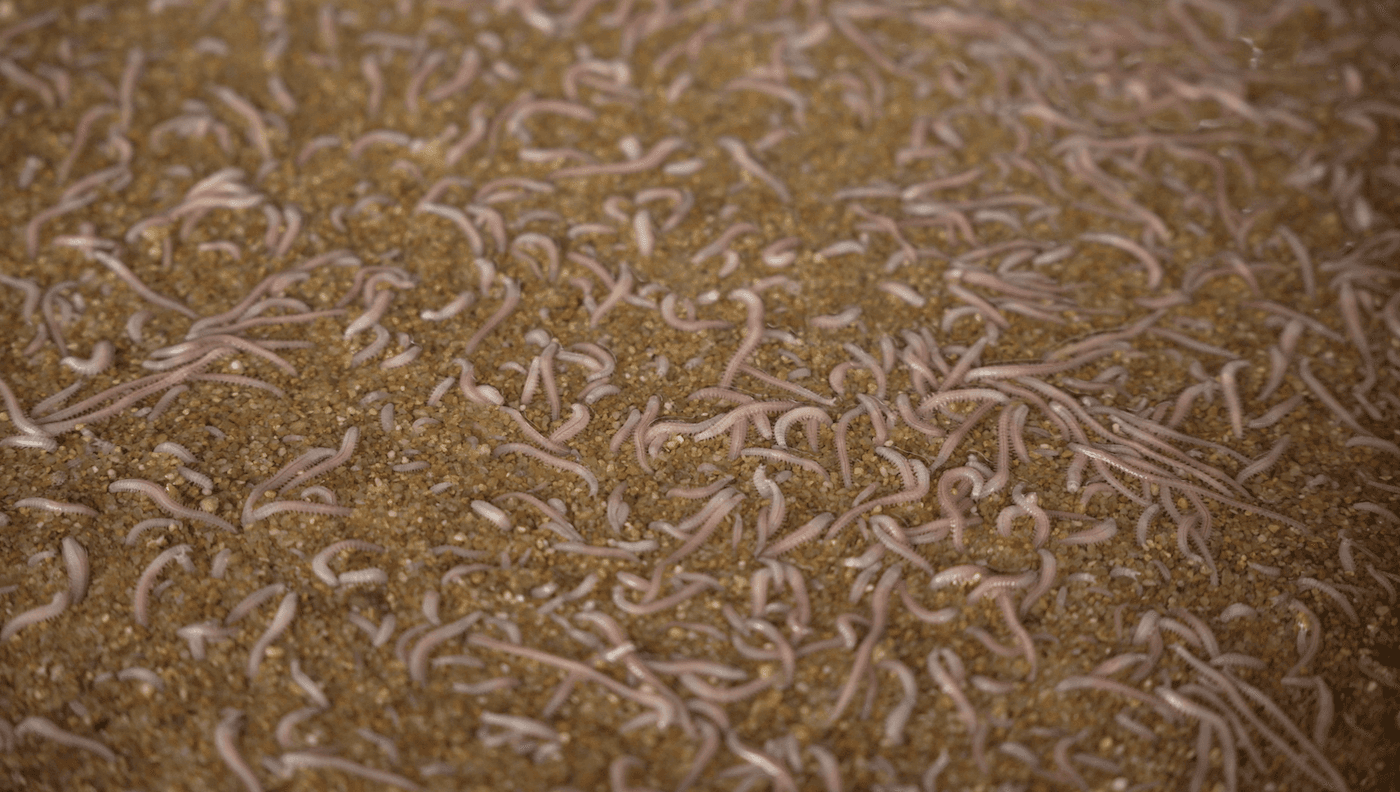
Unlike wild-collected worms, SPF sandworms are cultivated under scientifically controlled and bio-secured environments. Every stage of the process — including water treatment, breeding, nursery development, grow-out cultivation, harvesting, and packaging — is managed under monitored conditions designed to minimize biological risks while maintaining consistency and hygiene.
SPF bio-secured worms also offer significant nutritional advantages. Rich in proteins, amino acids, essential fatty acids, DHA, EPA, HUFA, PUFA, vitamins, minerals, and natural hormones, they support stronger broodstock maturation, improved sperm quality, better ovary development, enhanced fertility rates, and higher-quality nauplii production.
As global aquaculture continues moving toward sustainable and scientifically controlled farming practices, SPF bio-secured feed systems are becoming essential rather than optional. They not only help reduce disease risks but also support long-term operational reliability, better hatchery performance, and healthier farming ecosystems.
The future of aquaculture depends on safer biological systems, consistent nutritional quality, and sustainable innovation — and SPF bio-secured feed is playing a major role in building that fut
BLOG & INSIGHTS
Exploring innovations, strategies, and the future.
Why SPF Bio-Secured Feed Matters in Modern Aquaculture
The modern aquaculture industry has evolved far beyond traditional farming practices. Today, success is no longer determined only by production volume — it depends heavily on biosecurity, sustainability, hatchery consistency, and disease prevention. As shrimp farming becomes increasingly intensive across the world, the importance of SPF (Specific Pathogen Free) bio-secured feed solutions has become more critical than ever before.
One of the biggest challenges faced by hatcheries and shrimp farmers is the use of wild-sourced biological feed. Traditional worms collected from uncontrolled natural environments often carry harmful pathogens, bacteria, parasites, and viral risks that can directly impact hatchery performance and farming stability. Diseases such as WSSV, EHP, MBV, TSV, IMNV, Vibrio, and several emerging pathogens continue to create serious operational and financial challenges for the aquaculture industry.
Even when external signs are not immediately visible, contaminated biological inputs can affect broodstock health, fertility rates, egg quality, larval survival, hatchability, and overall culture performance. This is where SPF bio-secured sandworms have emerged as a game-changing solution for modern aquaculture systems.
Unlike wild-collected worms, SPF sandworms are cultivated under scientifically controlled and bio-secured environments. Every stage of the process — including water treatment, breeding, nursery development, grow-out cultivation, harvesting, and packaging — is managed under monitored conditions designed to minimize biological risks while maintaining consistency and hygiene.
SPF bio-secured worms also offer significant nutritional advantages. Rich in proteins, amino acids, essential fatty acids, DHA, EPA, HUFA, PUFA, vitamins, minerals, and natural hormones, they support stronger broodstock maturation, improved sperm quality, better ovary development, enhanced fertility rates, and higher-quality nauplii production.
As global aquaculture continues moving toward sustainable and scientifically controlled farming practices, SPF bio-secured feed systems are becoming essential rather than optional. They not only help reduce disease risks but also support long-term operational reliability, better hatchery performance, and healthier farming ecosystems.
The future of aquaculture depends on safer biological systems, consistent nutritional quality, and sustainable innovation — and SPF bio-secured feed is playing a major role in building that fut
BLOG & INSIGHTS