
Why India Must Reduce Dependence on Imported Feed Solutions
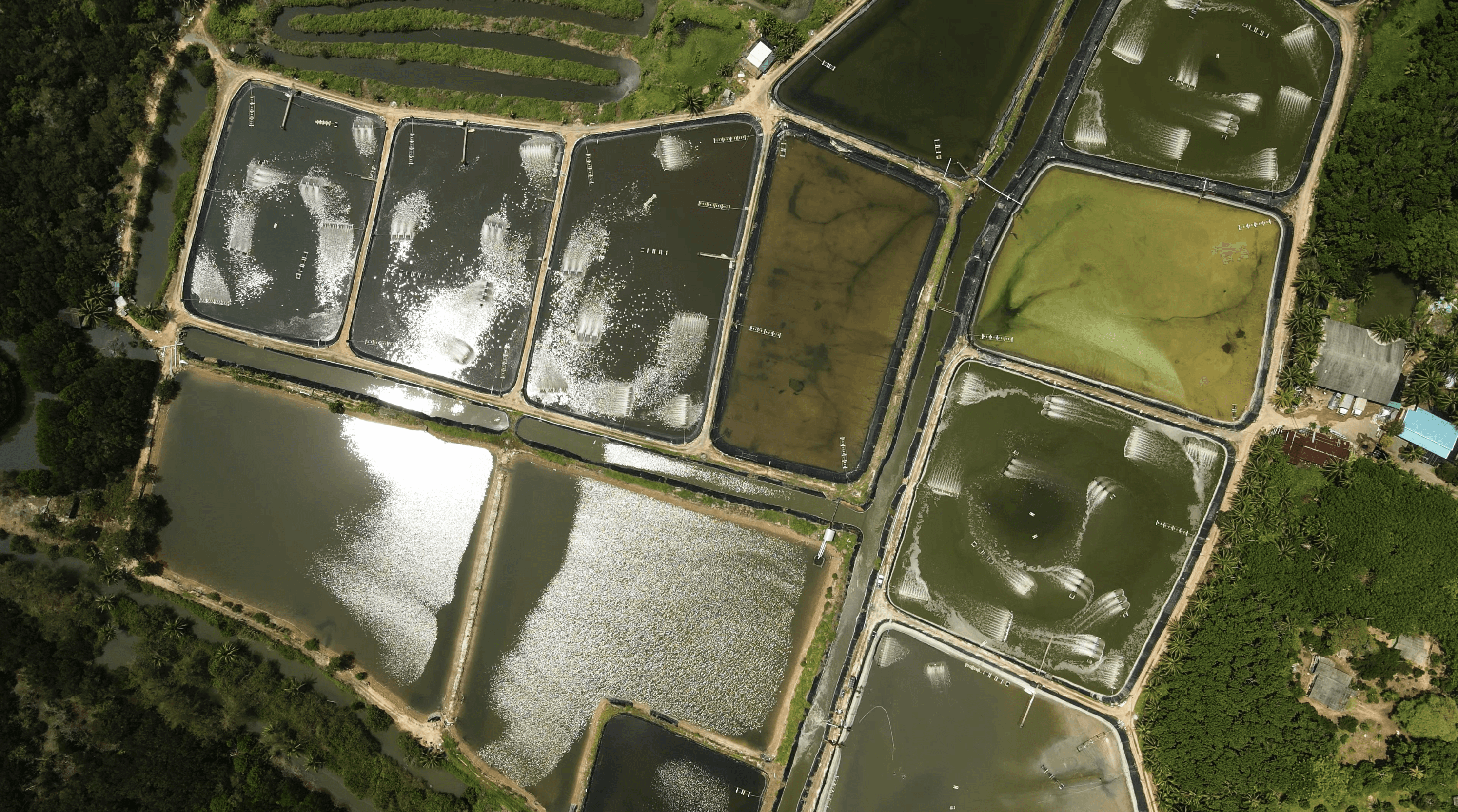
India has emerged as one of the world’s largest shrimp-producing nations, contributing significantly to global aquaculture exports and seafood supply chains. However, despite its strong production capacity, the industry continues to rely heavily on imported SPF feed solutions and biological inputs for hatchery and broodstock operations.
While imported products have supported the industry for many years, increasing dependence on external supply chains creates several long-term challenges for sustainable aquaculture growth in India. Issues such as fluctuating import costs, supply chain disruptions, inconsistent availability, extended transportation timelines, and limited adaptability to Indian farming environments continue to affect operational stability across the sector.
More importantly, imported biological inputs may not always align with local environmental conditions, farming practices, climatic variations, and regional hatchery requirements. As aquaculture intensifies, the industry requires solutions that are specifically developed for Indian operating conditions while maintaining global biosecurity and quality standards.
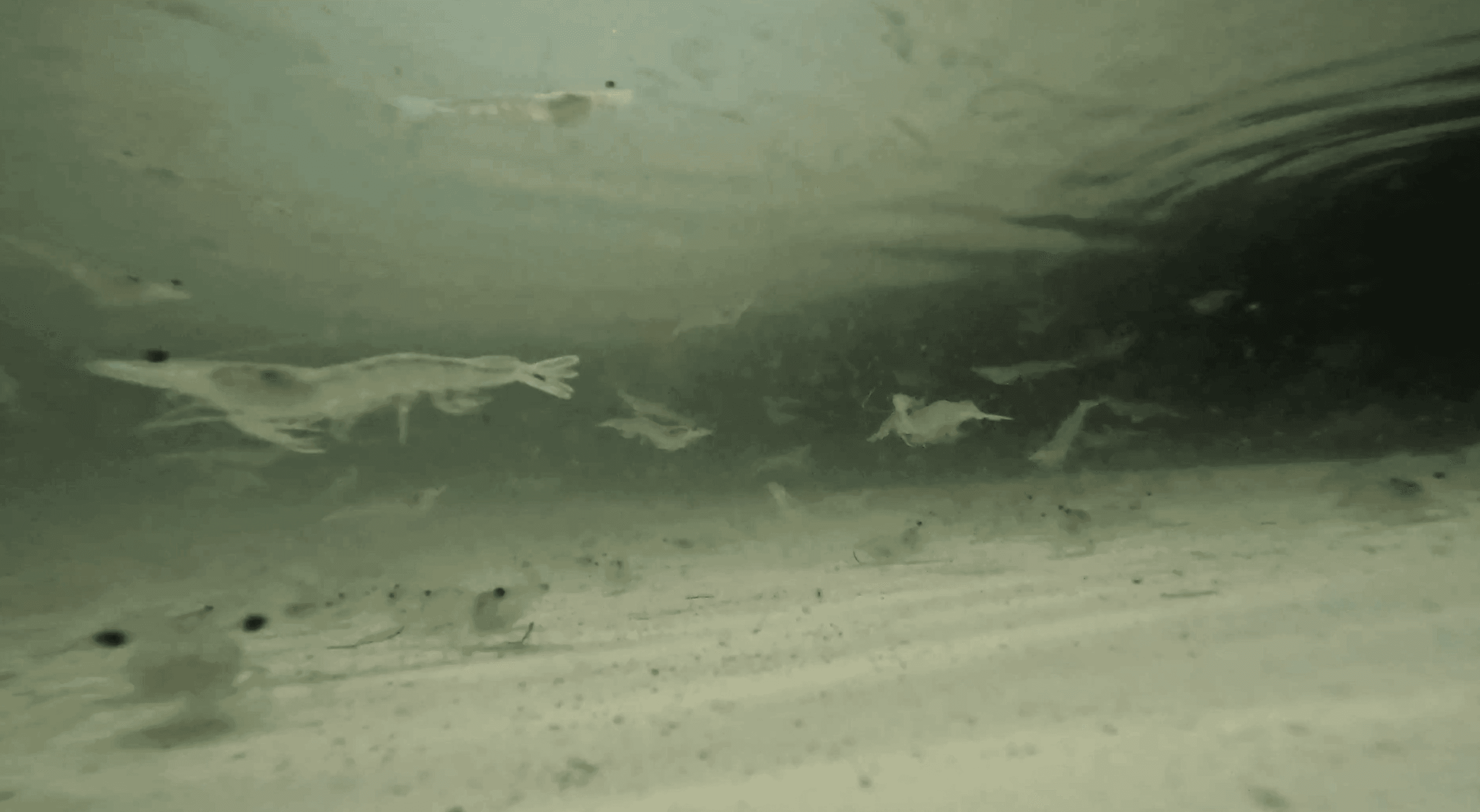
Developing domestic SPF bio-secured cultivation infrastructure represents a major step toward strengthening self-reliance within the Indian aquaculture ecosystem. Locally cultivated SPF feed solutions provide greater control over quality assurance, biological safety, logistics, testing procedures, and supply consistency.
With locally managed scientific infrastructure, hatcheries and farmers also benefit from faster access, reduced transportation dependency, improved technical support, and stronger operational flexibility. In addition, domestic production enables continuous microbiological monitoring, advanced filtration systems, controlled breeding environments, and structured disease-prevention protocols that can be directly adapted to Indian aquaculture requirements.
India already possesses the technical expertise, farming scale, and innovation potential required to lead the next phase of sustainable aquaculture development. By investing in advanced SPF bio-secured cultivation systems within the country, the industry can reduce biological risks, improve supply reliability, strengthen hatchery performance, and build a more resilient aquaculture ecosystem for the future.
The shift toward domestic scientific aquaculture solutions is not only about reducing imports — it is about building long-term sustainability, innovation, and self-sufficiency for one of India’s most important export-driven industries.
BLOG & INSIGHTS
Exploring innovations, strategies, and the future.
Why India Must Reduce Dependence on Imported Feed Solutions
India has emerged as one of the world’s largest shrimp-producing nations, contributing significantly to global aquaculture exports and seafood supply chains. However, despite its strong production capacity, the industry continues to rely heavily on imported SPF feed solutions and biological inputs for hatchery and broodstock operations.
While imported products have supported the industry for many years, increasing dependence on external supply chains creates several long-term challenges for sustainable aquaculture growth in India. Issues such as fluctuating import costs, supply chain disruptions, inconsistent availability, extended transportation timelines, and limited adaptability to Indian farming environments continue to affect operational stability across the sector.
More importantly, imported biological inputs may not always align with local environmental conditions, farming practices, climatic variations, and regional hatchery requirements. As aquaculture intensifies, the industry requires solutions that are specifically developed for Indian operating conditions while maintaining global biosecurity and quality standards.
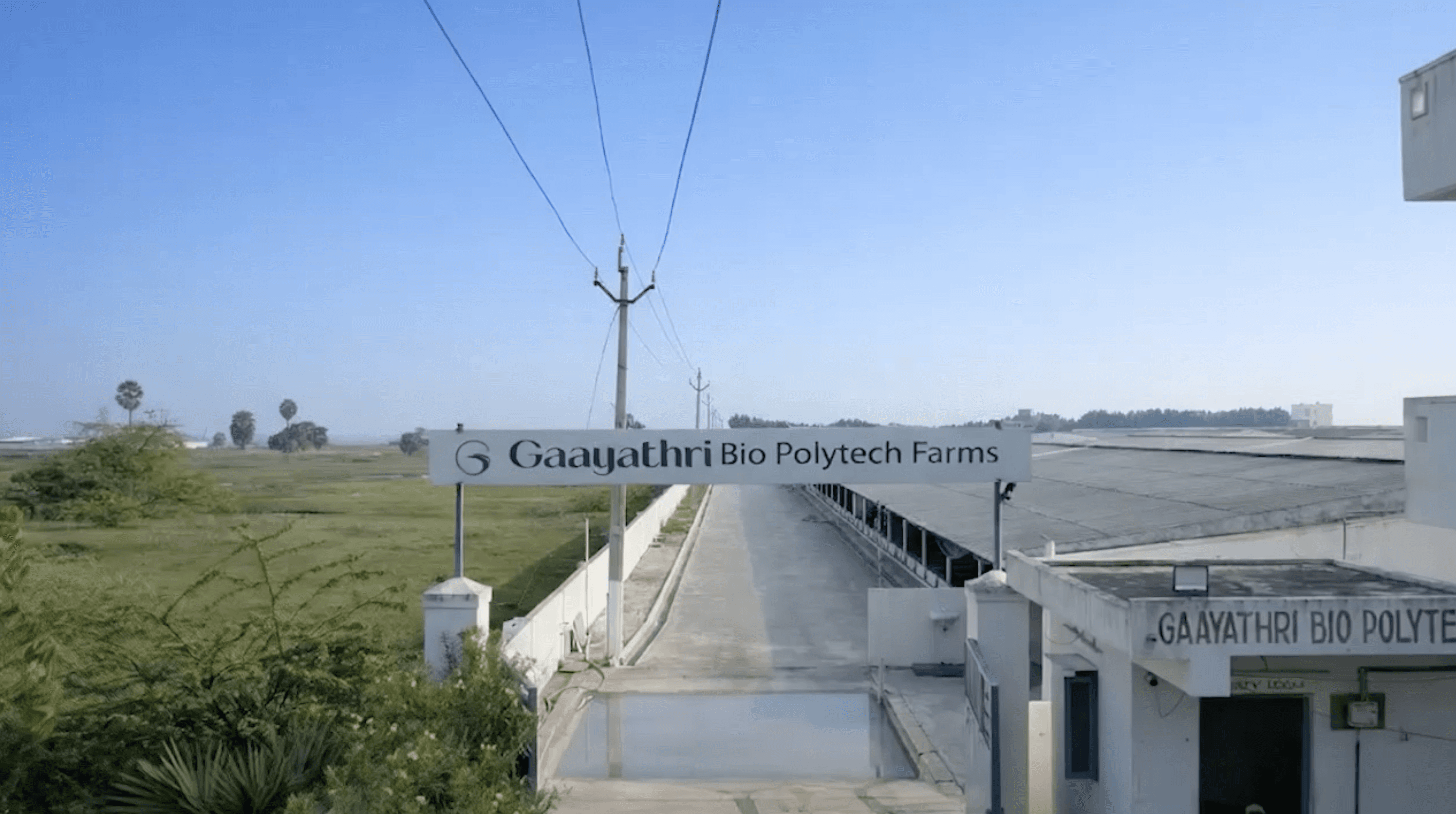
Developing domestic SPF bio-secured cultivation infrastructure represents a major step toward strengthening self-reliance within the Indian aquaculture ecosystem. Locally cultivated SPF feed solutions provide greater control over quality assurance, biological safety, logistics, testing procedures, and supply consistency.
With locally managed scientific infrastructure, hatcheries and farmers also benefit from faster access, reduced transportation dependency, improved technical support, and stronger operational flexibility. In addition, domestic production enables continuous microbiological monitoring, advanced filtration systems, controlled breeding environments, and structured disease-prevention protocols that can be directly adapted to Indian aquaculture requirements.
India already possesses the technical expertise, farming scale, and innovation potential required to lead the next phase of sustainable aquaculture development. By investing in advanced SPF bio-secured cultivation systems within the country, the industry can reduce biological risks, improve supply reliability, strengthen hatchery performance, and build a more resilient aquaculture ecosystem for the future.
The shift toward domestic scientific aquaculture solutions is not only about reducing imports — it is about building long-term sustainability, innovation, and self-sufficiency for one of India’s most important export-driven industries.
BLOG & INSIGHTS