
Step 05: Bio-Secured Grow-Out Chambers
Scalable grow-out environments designed for uniform, healthy, and controlled worm cultivation.
Uniform Worm Development
Uniform Worm Development
SPF Biosecurity Standards
SPF Biosecurity Standards
Scalable Growth Systems
Scalable Growth Systems
INTRODUCTION
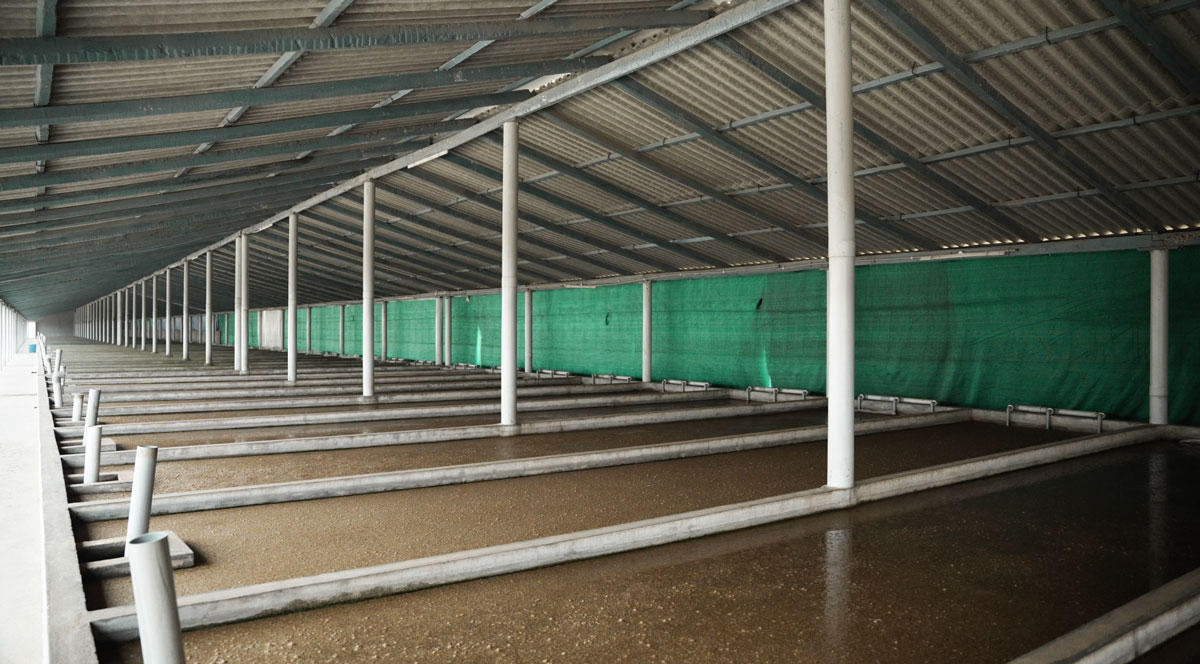
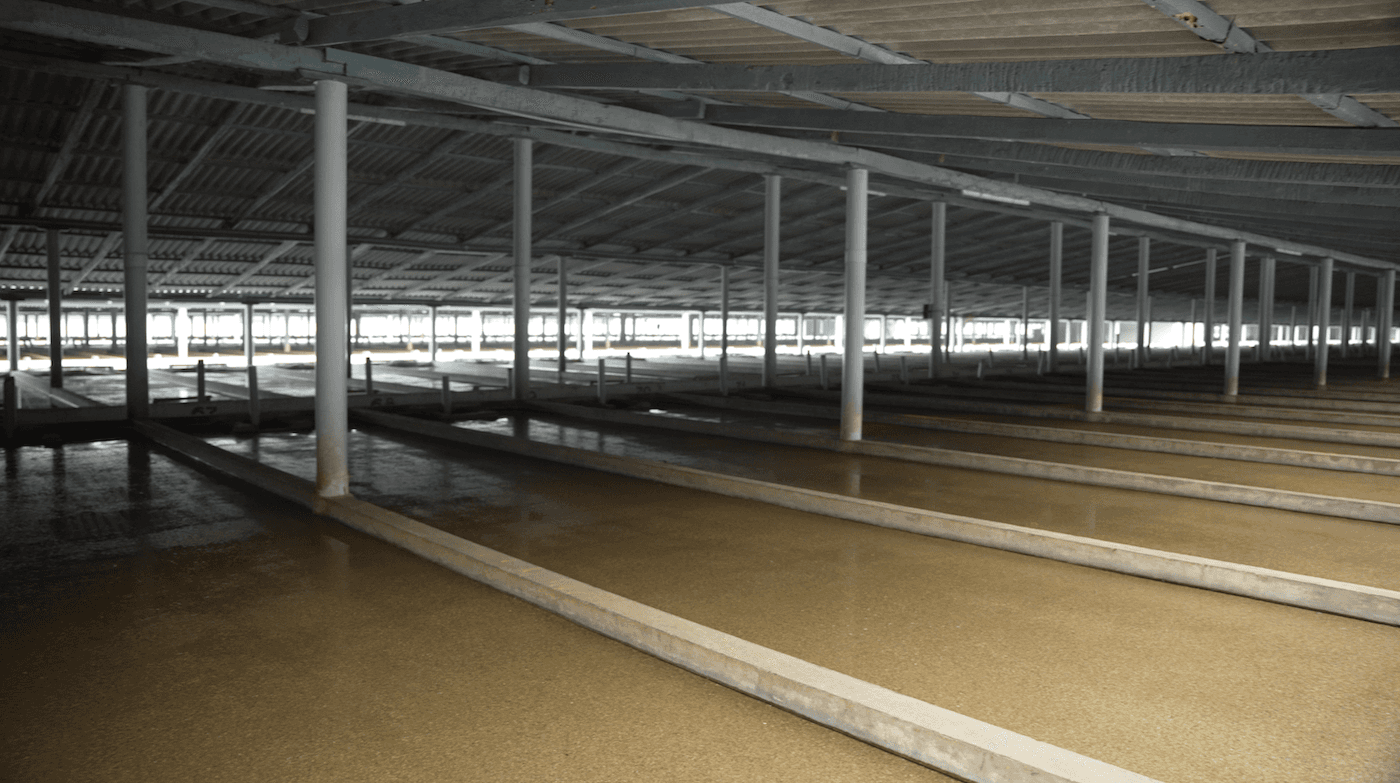
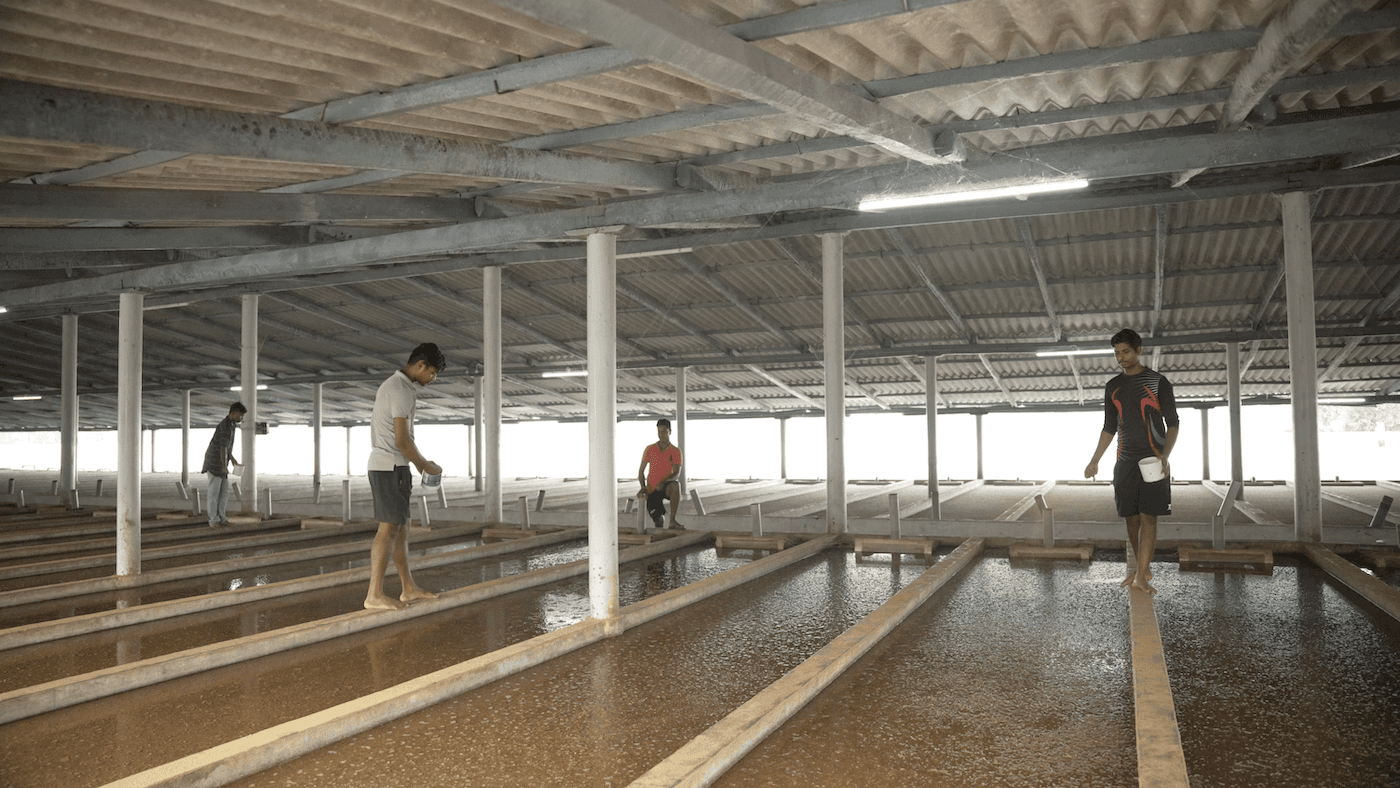
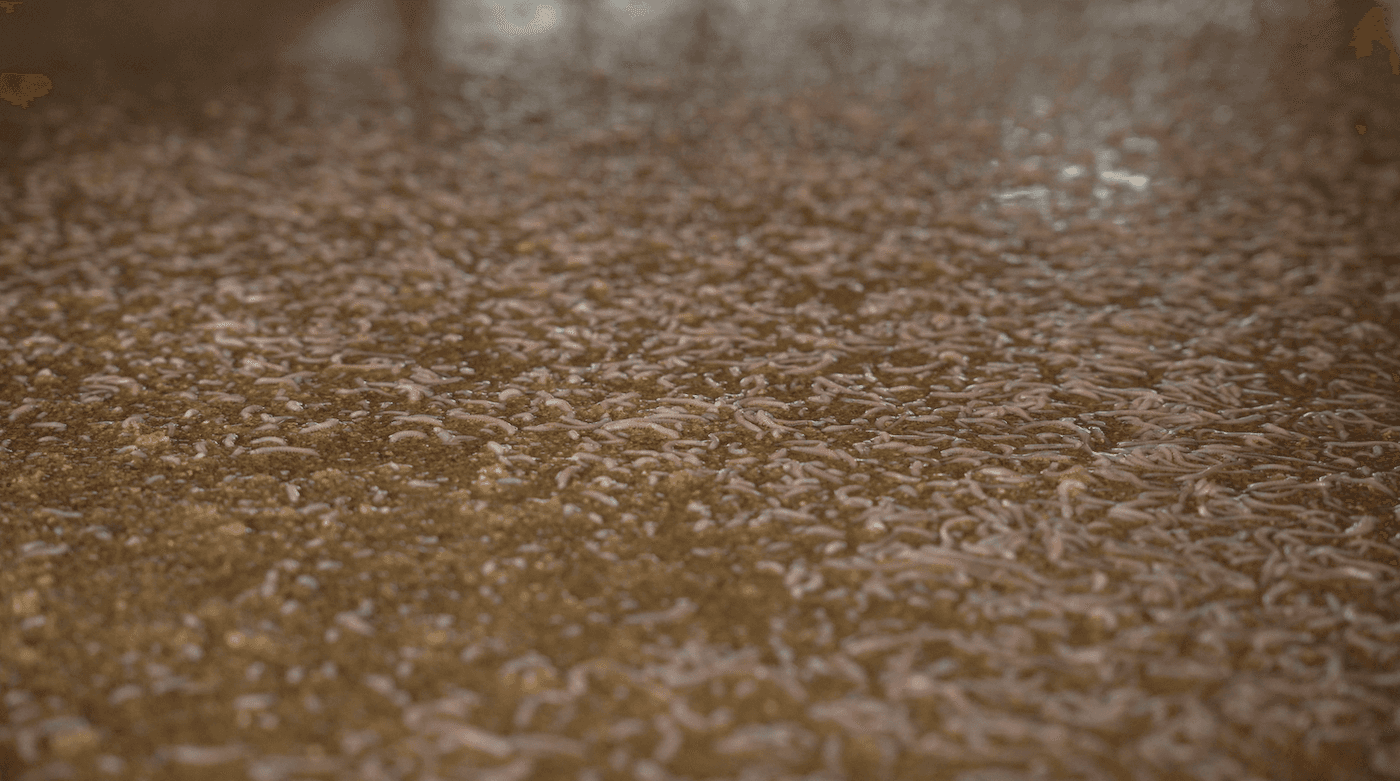
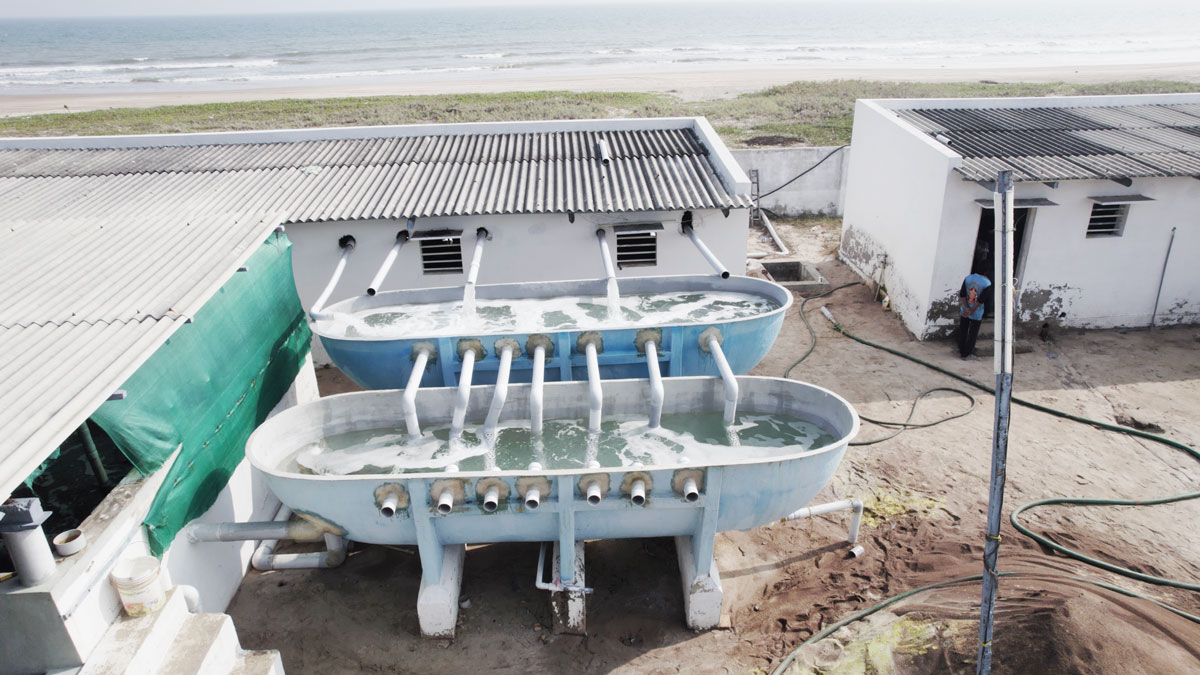
Following the nursery phase, worms are gradually transferred into multiple grow-out chambers designed for large-scale and controlled cultivation. Each chamber operates under carefully monitored environmental conditions where stocking density, water quality, flow, hygiene, and feeding systems are continuously managed to support stable and uniform growth.
The Process
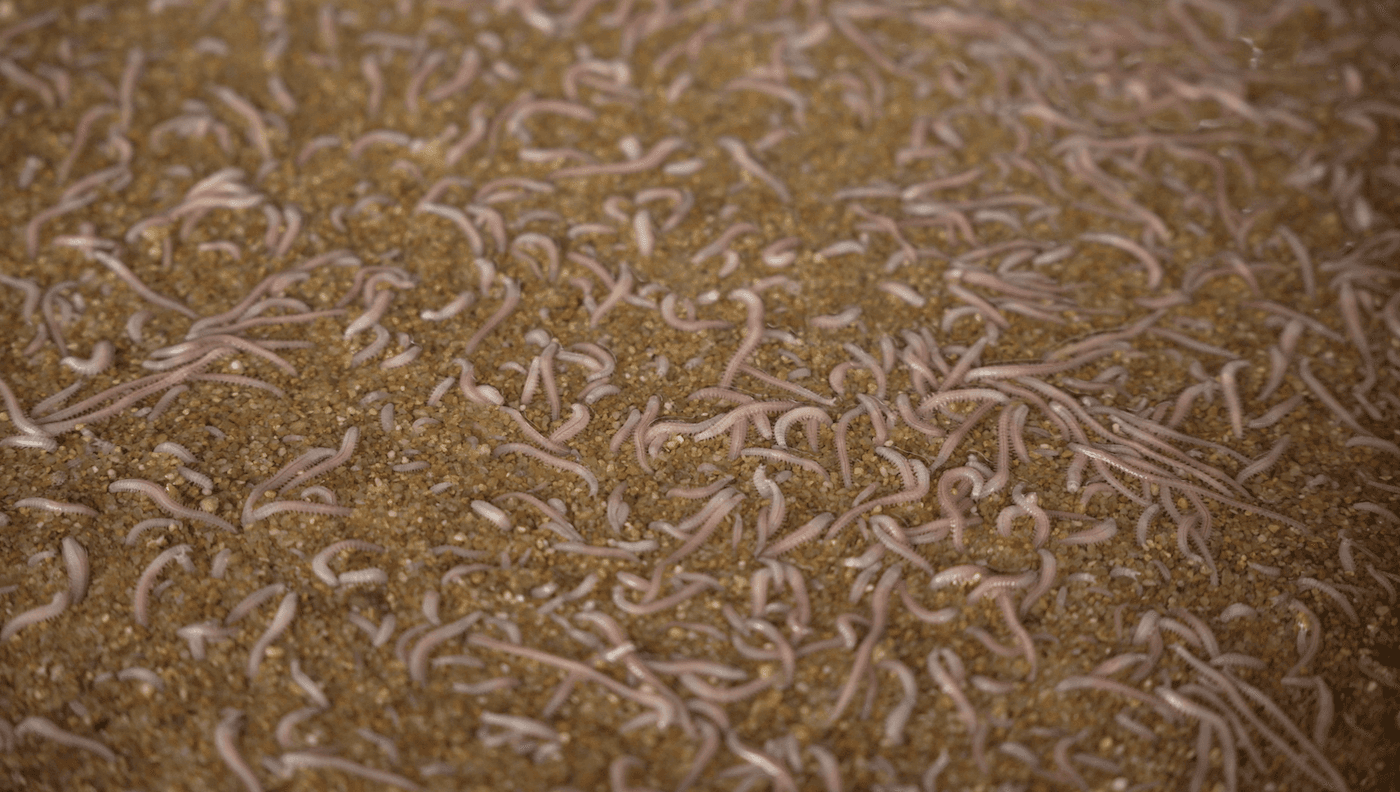
As the worms develop, they are periodically shifted between chambers based on size and growth rate to prevent overcrowding, reduce biological stress, and maintain consistency across the culture cycle. Controlled environmental management and structured feeding practices help minimize biological variability while supporting healthier and more predictable development.
How it helps?
This systematic grow-out approach ensures high-quality SPF worm production while maintaining the strict biosecurity standards required for sustainable modern aquaculture operations.
Project Impacts
Controlled Chamber Systems
Controlled Chamber Systems
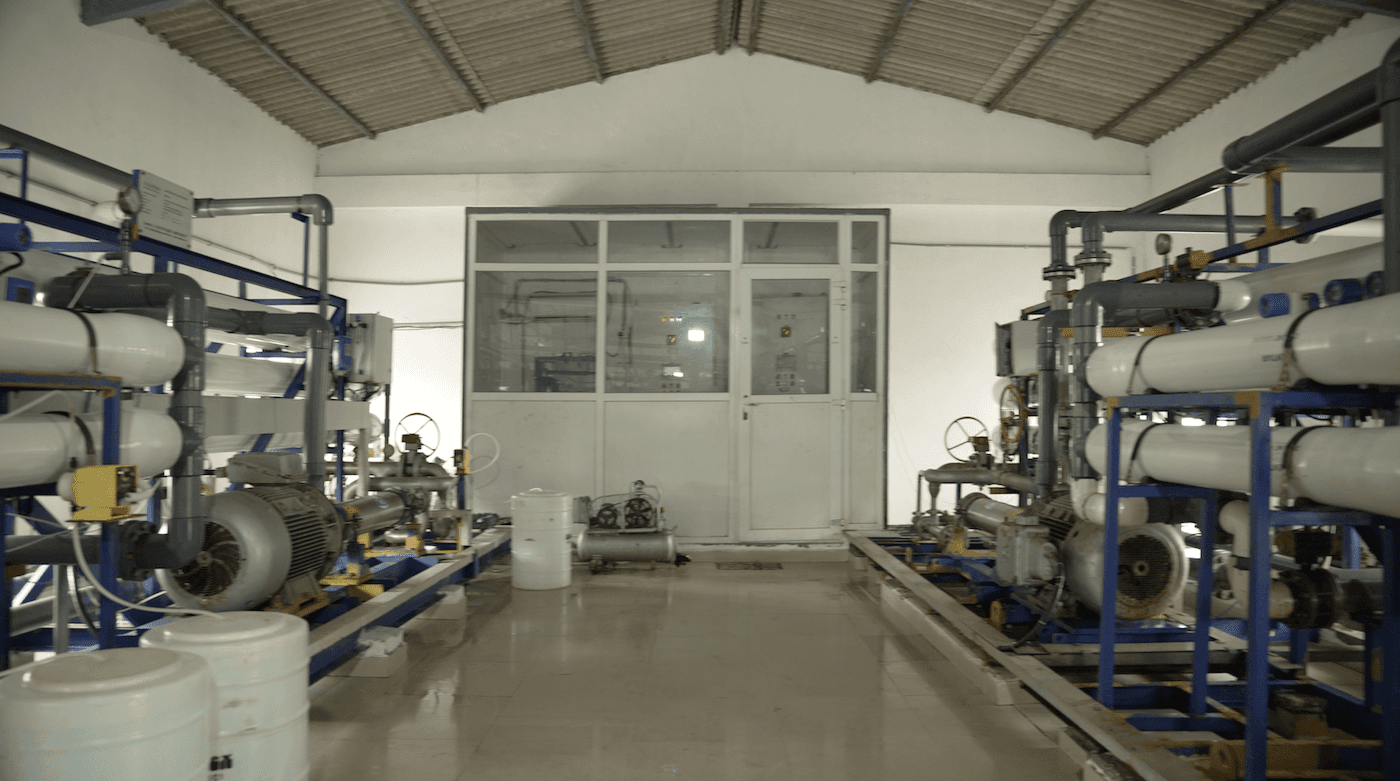
Continuous Water Monitoring
Continuous Water Monitoring
Regulated Stocking Density
Regulated Stocking Density
Optimized Feeding Management
Optimized Feeding Management
Featured Projects
Renewable Developments Across Global Regions.
Step 05: Bio-Secured Grow-Out Chambers
Scalable grow-out environments designed for uniform, healthy, and controlled worm cultivation.
Uniform Worm Development
Uniform Worm Development
SPF Biosecurity Standards
SPF Biosecurity Standards
Scalable Growth Systems
Scalable Growth Systems
INTRODUCTION
Following the nursery phase, worms are gradually transferred into multiple grow-out chambers designed for large-scale and controlled cultivation. Each chamber operates under carefully monitored environmental conditions where stocking density, water quality, flow, hygiene, and feeding systems are continuously managed to support stable and uniform growth.
The Process
As the worms develop, they are periodically shifted between chambers based on size and growth rate to prevent overcrowding, reduce biological stress, and maintain consistency across the culture cycle. Controlled environmental management and structured feeding practices help minimize biological variability while supporting healthier and more predictable development.
How it helps?
This systematic grow-out approach ensures high-quality SPF worm production while maintaining the strict biosecurity standards required for sustainable modern aquaculture operations.
Project Impacts
Controlled Chamber Systems
Controlled Chamber Systems
Continuous Water Monitoring
Continuous Water Monitoring
Regulated Stocking Density
Regulated Stocking Density
Optimized Feeding Management
Optimized Feeding Management
Featured Projects